
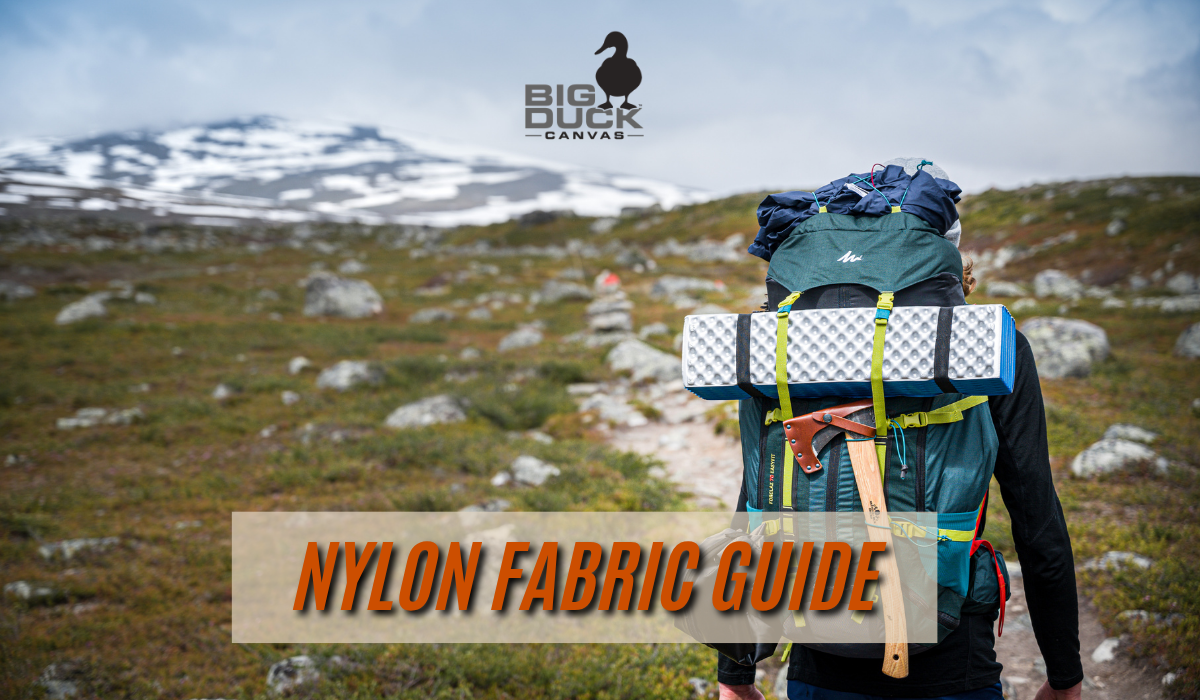
Understanding 70D, 210D, 420D, 1000D & 1680D Ballistic Nylon
When it comes to durable, versatile, and high-performance textiles, few materials can match the strength and reliability of nylon fabric. From tactical gear and backpacks to equipment covers, outdoor products, and industrial applications, nylon has become one of the most trusted fabrics across countless industries.
But not all nylon fabrics are the same.
Understanding denier ratings, fabric construction, coatings, and intended applications can help you choose the right material for your project while ensuring long-term performance and durability.
In this guide, we’ll break down the most common nylon fabric types, explain what denier means, compare popular nylon weights, and help you determine which nylon fabric is best for your application.
What Is Nylon Fabric?
Nylon is a synthetic textile known for its exceptional abrasion resistance, tear strength, flexibility, and durability. Originally developed as an alternative to silk, nylon quickly became one of the most widely used technical fabrics in the world.
Today, nylon fabrics are commonly used for:
- Tactical gear
- Military equipment
- Outdoor recreation products
- Backpacks and luggage
- Sporting goods
- Protective covers
- Pet products
- Tool bags
- Marine applications
- Industrial products
The popularity of nylon comes from its ability to withstand repeated use while remaining relatively lightweight compared to many other durable materials.
What Does Denier Mean?
One of the most important specifications when purchasing nylon fabric is the denier rating.
Denier (D) measures the thickness and weight of the individual fibers used to create the fabric.
In simple terms:
- Lower denier fabrics are lighter and more flexible.
- Higher denier fabrics are thicker, heavier, and generally more durable.
If you’re new to nylon fabrics, we recommend reading our complete Denier Guide:
👉 https://www.bigduckcanvas.com/nylon-fabrics/denier-guide
Understanding denier ratings will help you choose a fabric that balances durability, weight, flexibility, and cost.

Nylon Fabric Comparison Chart
| Fabric Type | Weight | Durability | Common Uses |
|---|---|---|---|
| 70D Ripstop Nylon | Lightweight | Good | Camping gear, stuff sacks, liners |
| 210D Nylon | Light | Very Good | Utility bags, organizers, drawstring bags |
| 420D Nylon | Medium | Excellent | Backpacks, luggage, sporting goods |
| 1000D Nylon | Heavy Duty | Exceptional | Tactical gear, industrial products |
| 1680D Ballistic Nylon | Ultra Heavy Duty | Maximum | Protective cases, luggage, commercial gear |
70D Ripstop Nylon Fabric
For projects where weight matters, 70D Ripstop Nylon offers an excellent combination of strength and packability.
Shop 70D Ripstop Nylon:
👉 https://www.bigduckcanvas.com/ripstop-nylon-fabric-70d
Ripstop fabrics feature a reinforced weave pattern designed to help prevent small tears from spreading. This makes them a popular choice for outdoor products where lightweight performance is essential.
Common Uses
- Camping accessories
- Tent components
- Stuff sacks
- Lightweight gear organizers
- Flags and banners
Benefits
✔ Lightweight
✔ Tear-resistant weave
✔ Easy to pack and transport
✔ Excellent for outdoor applications
210D Nylon Fabric
210 Denier Nylon is often considered one of the most versatile lightweight nylon fabrics available.
Shop 210D Nylon:
👉 https://www.bigduckcanvas.com/nylon-fabrics/210d
It provides more durability than lighter ripstop fabrics while remaining flexible and easy to sew.
Common Uses
- Utility bags
- Tote bags
- Drawstring bags
- Equipment organizers
- Promotional products
Benefits
✔ Lightweight construction
✔ Excellent flexibility
✔ Durable for everyday use
✔ Cost-effective solution
420D Nylon Fabric
420 Denier Nylon is one of the most popular choices for commercial bag manufacturing because it provides an outstanding balance between weight and durability.
Shop 420D Nylon:
👉 https://www.bigduckcanvas.com/nylon-fabrics/420d
For many manufacturers, 420D represents the sweet spot between lightweight construction and long-term performance.
Common Uses
- Backpacks
- Duffel bags
- Soft-sided cases
- Sporting goods
- Outdoor equipment
Benefits
✔ Excellent strength-to-weight ratio
✔ Increased abrasion resistance
✔ Professional appearance
✔ Suitable for daily use products
1000D Nylon Fabric
When maximum durability is required, 1000 Denier Nylon is often the fabric of choice.
Shop 1000D Nylon:
👉 https://www.bigduckcanvas.com/nylon-fabrics/1000d
Known throughout the tactical, military, and industrial markets, 1000D Nylon is designed to withstand demanding environments and heavy wear.
Common Uses
- Tactical gear
- Military equipment
- Tool bags
- Heavy-duty backpacks
- Utility pouches
- Equipment cases
Benefits
✔ Exceptional abrasion resistance
✔ Superior tear strength
✔ Long service life
✔ Proven performance in demanding environments
What Is 1680D Ballistic Nylon?
1680D Ballistic Nylon is one of the toughest nylon fabrics available for commercial and industrial applications.
Originally developed for military use, ballistic nylon utilizes a dense weave construction that provides outstanding durability and abrasion resistance.
Today, it is commonly selected for products that experience constant wear and require a premium, professional appearance.
Common Uses
- Commercial luggage
- Rolling tool bags
- Protective equipment cases
- Industrial storage products
- Heavy-duty travel gear
- Transport covers
Benefits
✔ Extremely durable construction
✔ Outstanding abrasion resistance
✔ Premium appearance
✔ Excellent tear strength
✔ Ideal for high-wear applications
For applications where durability is the primary concern, 1680D Ballistic Nylon is often considered one of the strongest nylon options available.
Understanding DWR and PU Coatings
Many nylon fabrics include additional treatments designed to improve performance.
DWR (Durable Water Repellent)
DWR causes water to bead on the fabric surface rather than immediately soaking into the fibers.
Benefits include:
- Improved water resistance
- Faster drying
- Better outdoor performance
PU (Polyurethane) Coating
PU coatings are commonly applied to the backside of nylon fabrics.
Benefits include:
- Increased water resistance
- Added durability
- Improved fabric stability
The combination of DWR and PU coatings makes nylon fabrics especially popular for outdoor and tactical applications.
Nylon vs Polyester: Which Is Better?
This is one of the most common questions buyers ask.
Nylon Advantages
- Higher abrasion resistance
- Better flexibility
- Superior durability
- Greater tear strength
Polyester Advantages
- Better UV resistance
- Lower moisture absorption
- Often lower cost
For backpacks, tactical gear, tool bags, and heavy-use products, nylon is often preferred due to its exceptional durability.
Which Nylon Fabric Should You Choose?
Choose 70D Ripstop Nylon If:
- Weight matters most
- You’re making camping accessories
- You need packability
Choose 210D Nylon If:
- You need an economical lightweight fabric
- You’re making organizers or utility bags
Choose 420D Nylon If:
- You’re making backpacks or luggage
- You want an excellent strength-to-weight ratio
Choose 1000D Nylon If:
- Durability is your top priority
- You’re manufacturing tactical or industrial products
Choose 1680D Ballistic Nylon If:
- You need maximum abrasion resistance
- The product will see constant heavy use
- You’re manufacturing commercial-grade gear
Frequently Asked Questions
What does denier mean in nylon fabric?
Denier measures the thickness and weight of the fibers used in the fabric. Higher denier fabrics generally provide increased durability and abrasion resistance.
What is the strongest nylon fabric?
1680D Ballistic Nylon and 1000D Nylon are among the strongest nylon fabrics commonly used in commercial products.
Is 1000D nylon waterproof?
1000D Nylon itself is not waterproof, but many versions include DWR and PU coatings that improve water resistance.
What is ripstop nylon?
Ripstop nylon uses a reinforced weave pattern designed to help prevent tears from spreading.
Is nylon good for backpacks?
Absolutely. Nylon is one of the most common materials used in backpack manufacturing because of its strength, abrasion resistance, and long service life.
What nylon fabric is best for tactical gear?
1000D Nylon remains one of the most popular choices for tactical gear, military products, and heavy-duty equipment.
Shop Premium Nylon Fabrics at Big Duck Canvas
Whether you’re manufacturing tactical products, designing outdoor equipment, building commercial bags, or sourcing materials for industrial applications, selecting the right nylon fabric is critical to the success of your project.
Big Duck Canvas offers premium nylon fabrics in multiple denier ratings and colors to support manufacturers, makers, designers, and businesses across a wide range of industries.
Explore our complete nylon collection and find the right fabric for your next project:
👉 Denier Guide: https://www.bigduckcanvas.com/nylon-fabrics/denier-guide
👉 70D Ripstop Nylon: https://www.bigduckcanvas.com/ripstop-nylon-fabric-70d
👉 210D Nylon: https://www.bigduckcanvas.com/nylon-fabrics/210d
👉 420D Nylon: https://www.bigduckcanvas.com/nylon-fabrics/420d
👉 1000D Nylon: https://www.bigduckcanvas.com/nylon-fabrics/1000d